
















Turning Trash Into Torque: The Science Behind Car Part Reuse
Explore how old car parts get new life through science and clever design. Learn about Car Body Removal Townsville and the journey from scrap to performance gains.


When vehicles reach the end of their life, many see them as mere scrap. In reality, many parts within these cars hold potential to serve again. From heavy metal components to small fittings, turning discarded pieces into useful parts involves thoughtful science and careful process. This article explores the journey of recycling car parts, the technology involved, and the impact on both mechanics and the environment.https://www.cash4carstownsville.com.au/
Why Reusing Car Parts Matters
Recycling components from old cars has a twofold effect. First, it cuts down on the need to mine raw materials like steel, aluminium and copper. Mining consumes energy and alters habitats. Second, it reduces the volume of metal that ends up in yards or landfills. Extending the life of parts delays those impacts. In addition, used parts can cost less than new ones, making repairs more viable.
Key Steps in the Reuse Process
Collection and Inspection
Parts are removed once vehicles arrive at dismantling yards. Experts inspect each part for wear, cracks, corrosion or warping. Components that meet safety standards proceed further. Those that fall short may still find use as sources of raw material.
Cleaning and Refurbishment
Once a part passes inspection, it undergoes cleaning. That can involve washing, sand blasting or chemical baths designed to strip grease, rust and debris. After cleaning, technicians polish, repaint and test each component. The goal is to meet performance standards close to those of new parts.
Testing and Certification
Parts like brake discs, suspension arms and steering components must meet strict tolerances. Special machines and sensors measure pressure, alignment and integrity. If a part passes tests, it receives a certification. This ensures reliability and safety for future users.
Redistribution
After certification, parts are catalogued and sold. High-demand items move quickly. Specialized parts for older or rare models may even fetch a premium. Online listings, local shops and wreck yards all play a role in redistribution. Automation has improved tracking so buyers can verify manufacturing dates and mileage.
The Science Behind the Transformation
Material Properties and Fatigue
Understanding how materials behave under stress is central to reuse. For example, steel can withstand thousands of cycles before fatigue sets in. Engineers calculate when a component is close to its limit. Removing parts with remaining useful life keeps them in service longer.
Heat Treatment and Hardening
Some reused parts undergo heat treatment to restore strength. This involves heating the piece to a precise temperature, holding it, then cooling it to alter the internal structure. The result is a part that is closer to its original hardness and resilience.
Precision Testing
Modern tools use lasers and sensors to measure a fraction of a millimetre. When parts are reconditioned, technicians compare current measurements to factory specifications. This ensures the part will function as intended when installed again.
Fluid Dynamics in Components
Components like radiators, fuel injectors or turbochargers depend on fluid movement. Specialists use flow benches and pressure testing equipment to verify performance. Once a part clears these tests, its fluid-handling capacity is assured.
Parts That Show the Most Promise
Engine Blocks and Crankshafts
These heavy-duty components often remain in good condition well beyond lifespan. Crankshafts are machined to precision before reuse. Cylinder liners are honed to ensure proper sealing and efficient combustion.
Suspension and Steering Parts
Elements like control arms, struts and tie rods can be refurbished through cleaning and stress testing. Their sheathing, seals and bearings are replaced as needed.
Electrical and Electronic Units
Starters, alternators and sensors can be fully serviced. Wiring is checked and repaired. Bearings get renewed. After that, each unit is bench tested under load.
Body Components and Panels
Sheet metal parts can be straightened, filled and painted. Doors, guards and boot lids are often restored and offered as quality rebuild parts. These keep cars looking good without needing a full panel replacement.
Environmental Benefits of Car-Part Reuse
-
Reduces carbon emissions associated with producing new parts
-
Lowers waste volumes at vehicle removal and salvage yards
-
Cuts water use in manufacturing, since recycled parts require less processing
-
Supports circular economy by giving products a second life
Plus, mechanics and hobbyists can save money while still getting parts that meet engineering standards.
Challenges and How They Are Overcome
Traceability
It is vital to know each parts history. Modern systems use QR codes and barcodes. These link to database records showing when part was first fitted, what mileage it served, and how it was tested.
Certification Standards
International standards, such as ISO 9001 and ISO/TS 16949, help ensure quality across the industry. Suppliers and salvage yards must meet these to be trusted providers.
Safety Concerns
Some parts, such as airbag assemblies or seat?belt hardware, are never reused due to safety regulations. Others require special refurbishment protocols to ensure they meet performance criteria.
Real?World Example: Car Part Reuse in Action
Consider a technician working with a used turbocharger. After removal, it is disassembled, cleaned ultrasonically and inspected for damage. Rotors are checked for balance, seals are renewed, and bearings are replaced. Flow testing ensures performance is close to new. Once reassembled, the turbocharger is certified for installation on another vehicle. This process uses deep knowledge of aerodynamics, materials science and engineering tolerances.
The Local Link in Townsville
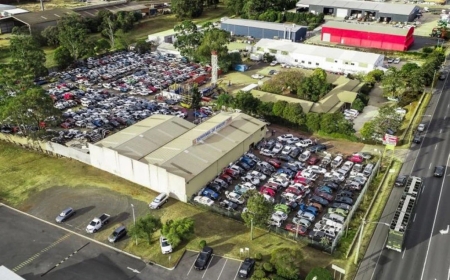
Accident vehicles, retirement car removals and local salvage yards in Townsville rely on similar methods. They use reuse science to keep cars running across the region. A local specialist offers Car Body Removal Townsville to recover parts and recycle bodies. That service plays a vital role in sourcing parts for repair shops, enthusiasts and everyday drivers. It links the process of dismantling cars with benefits like lower repair costs and a reduced environmental impact. Through clean recovery and safe redistribution, the process fosters a cycle that supports both people and local industry.
Looking Ahead: Innovation in Car Part Reuse
Technology continues to advance. In the near future, expect more use of:
-
3D scanning to judge wear patterns
-
Additive repair techniques that fill in worn metal
-
Blockchain tracking for part provenance
-
Robotics in cleaning and sorting
These innovations will drive greater confidence in reused parts, ensuring efficiency and safety remain top priorities.
Summary
Reusing car parts combines practical science, clever systems and careful testing. It keeps valuable materials in circulation, lowers waste and reduces costs. For car owners, mechanics and the environment, it creates a win?win cycle. In towns like Townsville, linking removal services with reuse practices brings these benefits to everyday vehicles. This story of turning scrap into torque shows how science, engineering and community can work together to extend the life of cars and protect our planet.