




















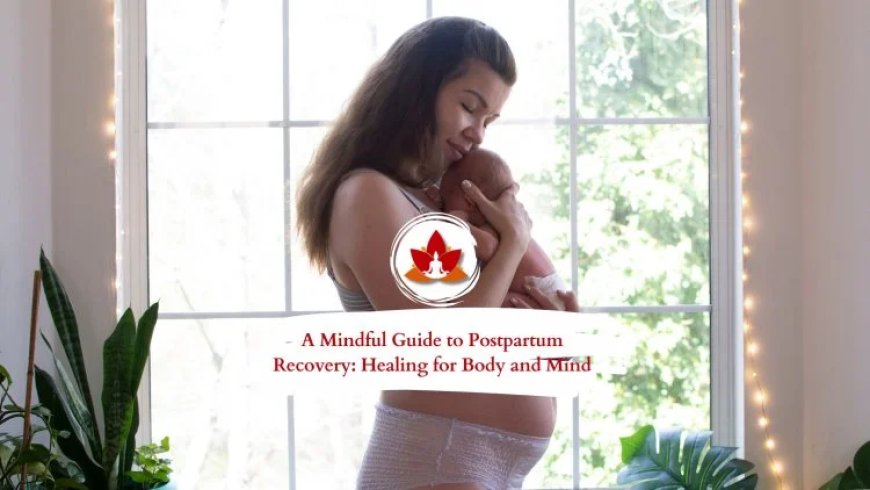
Understanding the 5-5-5 Postpartum Rule: A Gentle Guide to Healing After Birth
Learn how the 5-5-5 postpartum rule supports new mothers with rest and healing in the first 15 days after childbirth. A gentle guide to postpartum care.

What Is the 5-5-5 Postpartum Rule?
The 5-5-5 postpartum rule is a holistic recovery guideline that encourages new mothers to rest and heal following childbirth by dividing the initial 15 days after birth into three stages of rest: 5 days in bed, 5 days on the bed, and 5 days around the bed. This concept emphasizes the importance of rest, recovery, and intentional slowing downespecially in cultures or environments where postpartum recovery is often overlooked or rushed. It serves as a gentle reminder that childbirth is not just a moment, but a physical, emotional, and spiritual journey that continues long after delivery.
The simplicity of this rule masks its profound wisdom. Modern life often pressures women to bounce back quickly after giving birth, yet the body requires time to heal from the immense physical changes of pregnancy and labor. The 5-5-5 postpartum rule gives permission and structure to rest, encouraging a culture of nurturing care that benefits both the mother and the newborn.
Phase One: 5 Days In the Bed
The first five days after childbirth are considered sacred in the 5-5-5 postpartum rule. During this period, the mother is encouraged to stay in bed as much as possible, allowing her body to initiate deep healing. This means limited movement, minimal responsibility, and plenty of support from loved ones. The uterus is contracting, the body is still shedding lochia, and the hormonal landscape is shifting rapidly. These days are often filled with emotional highs and lows as the reality of new motherhood sets in.

Lying in bed isnt just about physical restits also a chance to bond skin-to-skin with the baby, establish breastfeeding (if chosen), and regulate sleep cycles. Meals should be nourishing, warm, and easy to digest, as digestion is also in recovery. The bodys systems are fragile, and proper care at this stage can reduce the risk of long-term pelvic floor issues, postpartum depression, or complications related to cesarean sections or vaginal tears.
Phase Two: 5 Days On the Bed
Once the initial rest period is complete, the next five days involve gentle movement and care while still remaining close to the bed. This means the mother may sit up more frequently, care for the baby with more autonomy, and begin light tasksbut without standing for long or performing chores. It is a transitional period meant to ease the mother back into normal movement without overwhelming her recovering body.
Support is still essential during this phase. Partners, doulas, or family members should continue to handle household tasks, prepare meals, and offer emotional presence. The 5-5-5 postpartum rule encourages mindfulness, reminding mothers that overexertion too soon can set back their recovery. Taking time to breathe, reflect, and feel supported builds resilience and can prevent exhaustion or burnout later in the postpartum period.

Phase Three: 5 Days Around the Bed
The final five days of the 5-5-5 postpartum rule suggest slowly increasing movement while still remaining in the general vicinity of the bed. This may include short walks within the home, supervised babywearing, or sitting in other rooms for longer periods. However, the emphasis remains on low-stress, low-impact activity. The goal is to gradually reintegrate into daily life while still honoring the bodys need for rest.
During this stage, many mothers may feel a false sense of full recovery and become tempted to "get back to normal" too quickly. But this can be deceptivehealing from childbirth continues for weeks, if not months. Respecting the final phase of the 5-5-5 postpartum rule helps prevent setbacks and keeps the focus on sustainable, compassionate recovery.
Why the 5-5-5 Postpartum Rule Matters Today
In a society that often glamorizes productivity and independence, the 5-5-5 postpartum rule reintroduces the essential idea that rest is not weaknessit is wisdom. It encourages families and communities to step in and care for new mothers, fostering a village-style support system that prioritizes maternal health. When mothers are given time to heal, they are more emotionally available, physically resilient, and empowered in their parenting journey.
Research shows that proper postpartum care can significantly reduce the risk of complications such as postpartum hemorrhage, depression, and anxiety. The 5-5-5 postpartum rule aligns with traditional postpartum practices found in many cultures worldwidefrom Indias "suthak" and Latin America's "la cuarentena" to Chinese "zuo yuezi"all of which prioritize extended rest and healing. Its time we bring those practices back into the mainstream in a way that feels accessible and compassionate.
Tips for Honoring the 5-5-5 Postpartum Rule
-
Prepare in advance: Set up a postpartum care plan before delivery. Stock the pantry, freeze meals, and delegate household responsibilities.
-
Create a healing space: Make the bedroom a cozy, supportive environment with easy access to water, snacks, diapers, and other essentials.
-
Ask for help: Enlist a postpartum doula, lean on your partner, or invite family to assist. Healing requires a support system.
-
Say no: Learn to decline visitors or responsibilities that disrupt rest. Your priority is healing.
-
Listen to your body: Use the 5-5-5 postpartum rule as a flexible guide, not a rigid mandate. Every birth and body is unique.