


















The Scrap Yard Economy: Where Your Old Car’s Parts Go
Learn what happens to your old vehicle after it leaves your driveway. Explore the role of Car Wreckers Sydney in the scrap yard economy and how car parts continue to serve.


Most people think that once a car stops running or becomes too expensive to fix, it turns into rubbish. But the truth is quite different. The parts inside old cars can still hold purpose, and the scrap yard economy ensures that those parts are not wasted.
Across Australia, thousands of vehicles are removed from use every year. Whether from damage, mechanical issues, or age, they all enter a system designed to reuse, recycle and recover what still holds worth. This article explains what happens once a car reaches a wrecking yard and how its parts continue to play a role beyond the end of its driving life.https://www.carremovalsydney.com.au/
What Is a Scrap Yard?
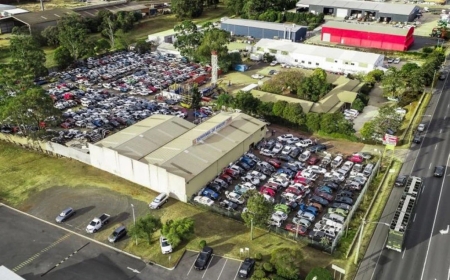
A scrap yard is a place where old or damaged vehicles are collected, sorted and dismantled. These yards are often large spaces filled with rows of vehicles waiting to be stripped down. Some are crushed for metal, while others are picked apart for parts that can still function.
Most scrap yards follow strict rules when it comes to safety and environmental impact. Fluids like oil, coolant, brake fluid and fuel are drained before dismantling. Batteries are removed and stored properly. Any hazardous items are disposed of using safe methods. This process makes sure the environment is protected while the parts are prepared for reuse or recycling.
Dismantling the Vehicle
Once a car enters a scrap yard, trained workers inspect it to decide what can be removed. Useful parts include:
-
Engines and gearboxes
-
Alternators and starters
-
Radiators and cooling fans
-
Doors, windows and mirrors
-
Lights and indicators
-
Tyres and wheels
Parts are removed using mechanical tools and stored for testing or resale. Even if a car is badly damaged, it might still have items that can work well in another vehicle.
After the useful parts are removed, what remains of the car is crushed or cut into smaller pieces and sent to metal recyclers. The metal is then processed and reused in building materials, new vehicles or household products.
Where Do the Parts Go?
Parts taken from old cars serve different roles. Many are sold to workshops or car owners who want to repair their vehicles without paying the cost of a new item. Some are kept as spares by collectors or hobbyists.
Others are sent overseas, where older vehicle models are still used. In many countries, parts from Australia help keep cars on the road for longer. This exchange supports local repair industries and reduces the need for new parts production.
Parts that do not meet safety or wear standards are sent for recycling. Metal parts are melted down and turned into raw materials. Plastics are separated and reused when possible. Even rubber from tyres is often turned into materials for roads, playgrounds or industrial use.
The Role of Scrap Yards in the Economy
Scrap yards play a key part in the circular economy. Instead of throwing old cars away, the parts are reused, repaired or recycled. This reduces waste, saves materials and lowers the impact on the environment.
In Australia, the auto recycling industry supports thousands of jobs. From tow truck drivers and dismantlers to mechanics and metal processors, the sector includes many different types of work. Every part reused is one less that needs to be made from scratch.
It also supports local trade by offering an option for car owners to sell vehicles that no longer run. In turn, other drivers can buy parts they need without waiting for a new one to arrive or be made.
How Technology Supports the Process
Modern scrap yards do not rely only on manual inspection. Many use software to track parts, manage inventory and match items with customer requests. Barcode systems help workers find parts quickly.
Some yards also test electronic parts before selling them. This includes using machines to check current, voltage and function. This adds confidence for buyers and helps ensure safety.
Engines and gearboxes are often bench tested before resale. This process involves running the component in a controlled setting to check pressure, movement and signs of internal damage.
Not Every Car Ends Up in Pieces
While many vehicles are stripped down completely, some cars are repaired using parts from other wrecks. If the body is still strong and safe, repairs can bring them back on the road.
Workshops that rebuild damaged cars often visit scrap yards to source items like panels, bumpers, headlights or seats. This method saves time and keeps more cars running with less cost and waste.
Some cars are bought by collectors or restorers who want to bring an old model back to life. For these people, a scrap yard is more than a pile of wrecksit is a source of history and parts that cannot be found elsewhere.
The Link Between Vehicle Removal and Wrecking Yards
Before a vehicle reaches the yard, it needs to be removed from the owner's property. Services like Car Removal Sydney help with this process. Once the vehicle is collected, it often enters the wrecking system where parts are sorted and materials are recovered. This cycle supports both environmental goals and repair needs across the city. These vehicles then become part of the supply chain that serves mechanics, rebuilders and Car Wreckers Sydney. Each part removed helps to keep another vehicle working, proving that even old cars still have purpose.
Environmental Impact of Car Recycling
Car recycling reduces landfill use and prevents harmful materials from polluting soil and water. Fluids from vehicles are some of the most dangerous if not handled correctly. Scrap yards must follow rules to manage them safely.
Melting and reusing metal also cuts down on mining. Mining uses more energy and causes greater damage to the land. By reusing what we already have, the impact is much lower.
Reusing parts also lowers the need for plastic production, which can take hundreds of years to break down in the environment. Every item reused means less pollution and a better outcome for natural systems.
Closing the Loop
The scrap yard economy shows that cars do not need to be waste. With careful work, many parts can serve again, keeping other vehicles running and helping the environment at the same time.
The process creates jobs, supports learning and helps drivers maintain their cars. From bolts to bumpers, almost every part of an old car can be reused or recycled. The next time you see a car on the back of a tow truck, it may be headed toward a second life, one part at a time.